If you watched Stage 16 Tuesday morning, you already know that, once again, protesters successfully disrupted the race, forcing organizers to abort the planned finish in Mos Castro de Herville. Instead, times were taken 8 kms outside the town. What should have been a triumphant day for Egan Bernal (his first stage victory after recovering from a horrific accident) turned into a cluster f**k. No podium ceremony, no interviews, nothing. Not to mention that the riders were stranded on a rural road, about 30 minutes away from their team buses.
How does this continue to happen? Organizers know that protests have been planned throughout the three-week race. City officials are also aware. Better precautions must be put in place to protect the cyclists, spectators, and residents. Without that, I fear what lies ahead in Madrid, on the Vuelta’s final day.
Here, for better or worse, are the stage highlights:
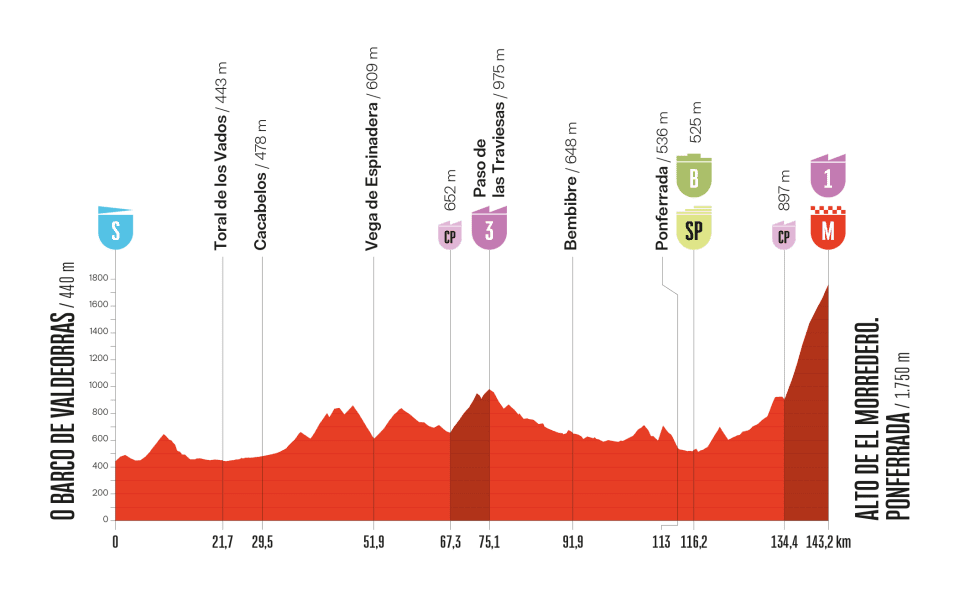
Ahead on Stage 17
Just two categorized climbs on Wednesday, one being the summit finish. However, there are lots of undulations along the route, making this stage harder than it looks. Today could be an opportunity for anyone hoping to climb a few places in the overall standings. Mads Pedersen will look to secure his lead in the points competition, so he’ll have to get through most of the race toward the front of the pack. Those sprint points (see the pale green SP in the map below) won’t be awarded until quite late in the stage – so mean of the organizers, no?
Vuelta Vaso de Vino Recommendation: 2020 Quinta da Muradella Candea Tinto ($26; 12.5% abv)
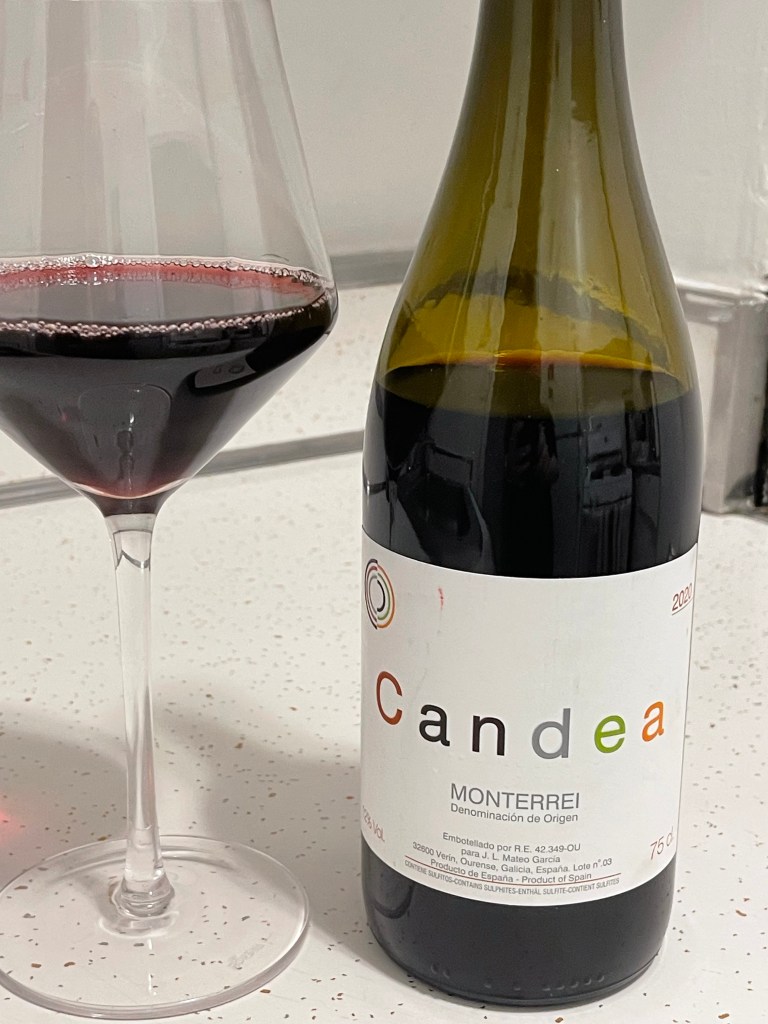
Quinta da Muradella is one man’s labor of love: in the 1980s, José Luis Mateo made the decision to quit his university studies in Madrid and return to his home in Verín, a tiny town five miles from the Portuguese border. Why? To make wine, of course! Since then, his wines have become synonymous with the Monterrei DO, which lies in the mountainous, southern extremes of Galicia. His vineyards have been certified organic since 2005.
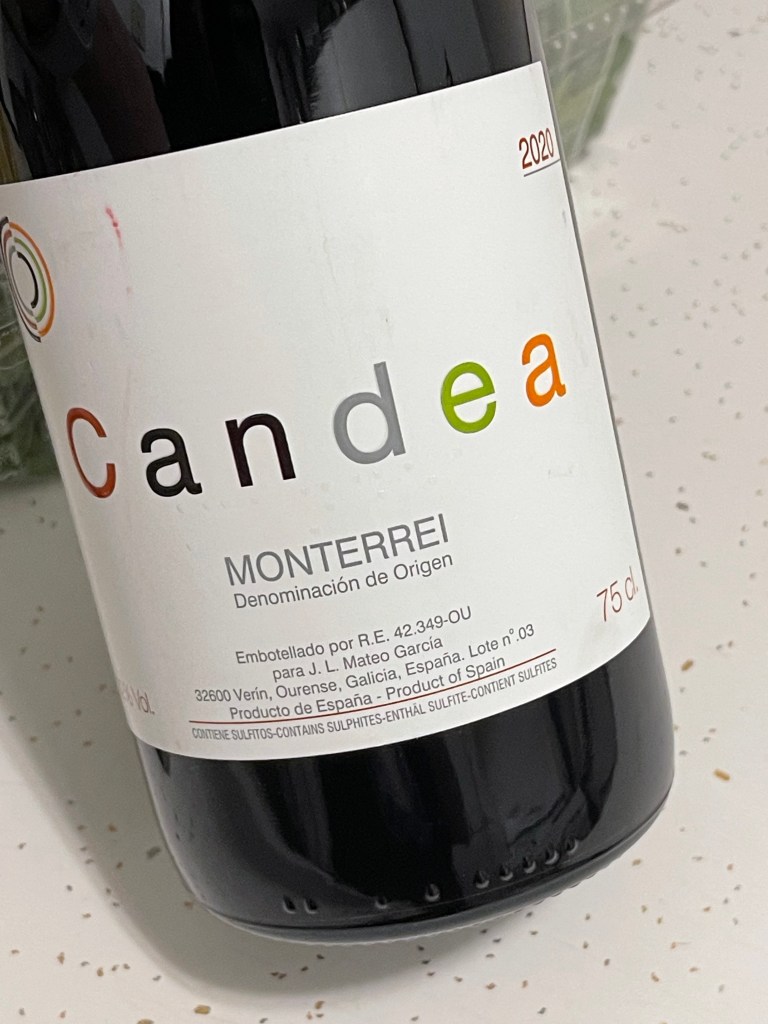
Monterrei boasts an incredible diversity of soils, exposures, and grape varieties. Vineyards lie on plots anywhere between 300m and 700m of elevation, and expositions are equally varied. A single site may be a patchwork of soil types, with as many grape varieties planted. The DO also occupies a unique landscape within Galicia, one subject to both coastal and continental influences. Warm summers ensure ripe fruit, while altitude and cool Atlantic breezes help retain acidity and primary fruit character.
This wine is a field blend of Mencía, Arauxa, Garnacha Tintorera, and Mouraton. Using a progressive fermentation technique, each variety is added to the tank as it is harvested, with 1/3 whole clusters included. It is then aged in tank for a year.
Tasting Note and Pairing
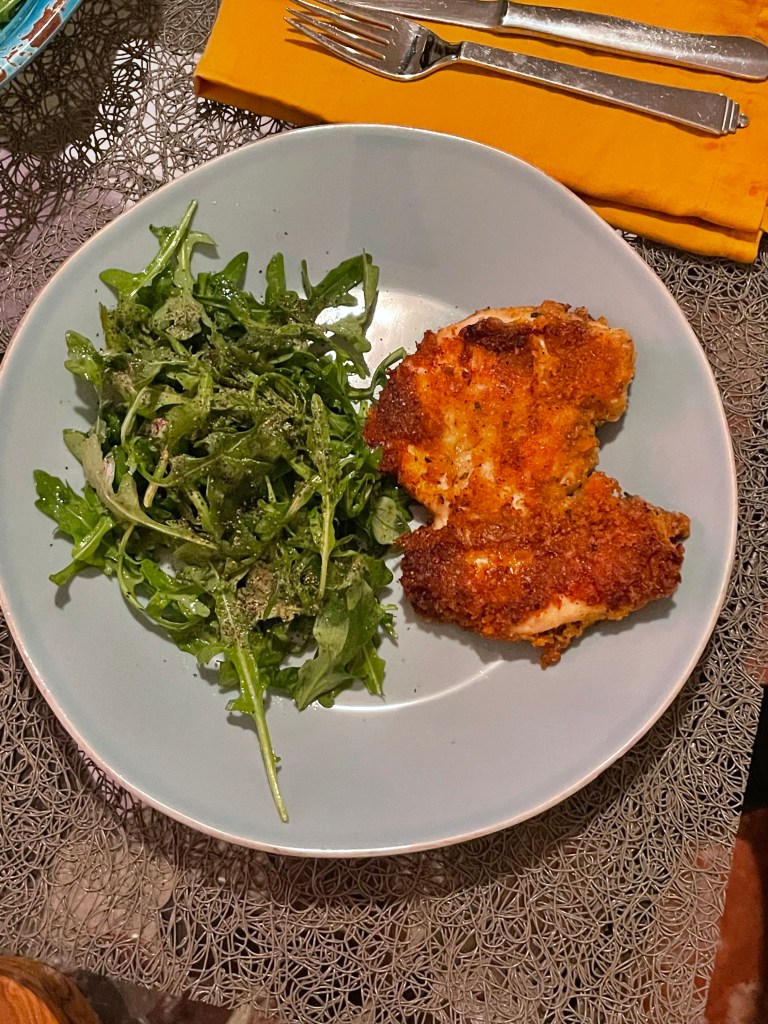
Deep ruby color. Fragrant nose of black cherry, plum, and dried rose petal. On the palate it’s quite easy: moderately high acidity, mild tannins, and rather light in body. Flavors range from tart-sweet raspberry and cherry to a leafy green note that is fresh and appealing. The Candea Tinto would be a nice option for Thanksgiving dinner, or any night when you’re trying to please a lot of people. It’ll also pair well with just about anything you’re serving. We enjoyed it with Parmesan Crusted Chicken Breasts from the New York Times cooking app. No complaints here!
Let’s hope for the best on Stage 17: that the protests are contained, the riders stay safe, and the race unfolds as intended. Fingers crossed!

