I recently attended an outstanding seminar on wines from Madeira. Eugenio Jardem, U.S. Ambassador for Wines of Portugal discussed the unique climatic, geological, and historical factors that influence the styles of wine produced on the island, as well as the longstanding connection between the island and the United States. Evidence suggests that our founding fathers celebrated signing the Declaration of Independence with a bottle of Madeira wine!
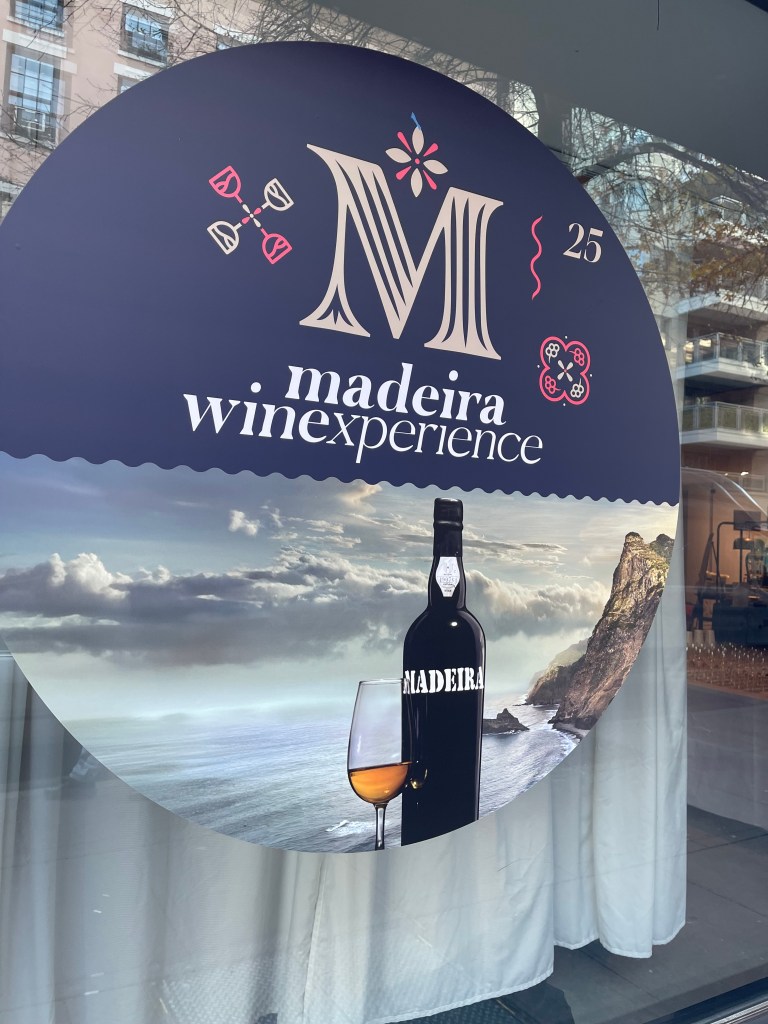
Madeira is defined by its geography, with high mountains, dense forests, and the Atlantic Ocean, all of which challenge the island’s 1,600 winemakers. Yet they continue to grow traditional grape varieties, using centuries-old techniques to ferment and age their wines, which are complex, aromatic and capable of cellaring indefinitely. In fact, Madeira has been called “indestructible” because an open bottle can last indefinitely, seemingly impervious to the ill effects of exposure to heat, light, or oxygen.
Back in the day, its ability to withstand long voyages over rough seas made Madeira famous, after a shipment intended for delivery to the Portuguese colonies was mistakenly left on the boat. The wine survived the return trip intact, earning it the nickname vinha da rota or “round-trip wine.”

Jardim walked us through a flight of six wines representing the different grape varieties used and the range of styles of Madeira produced:
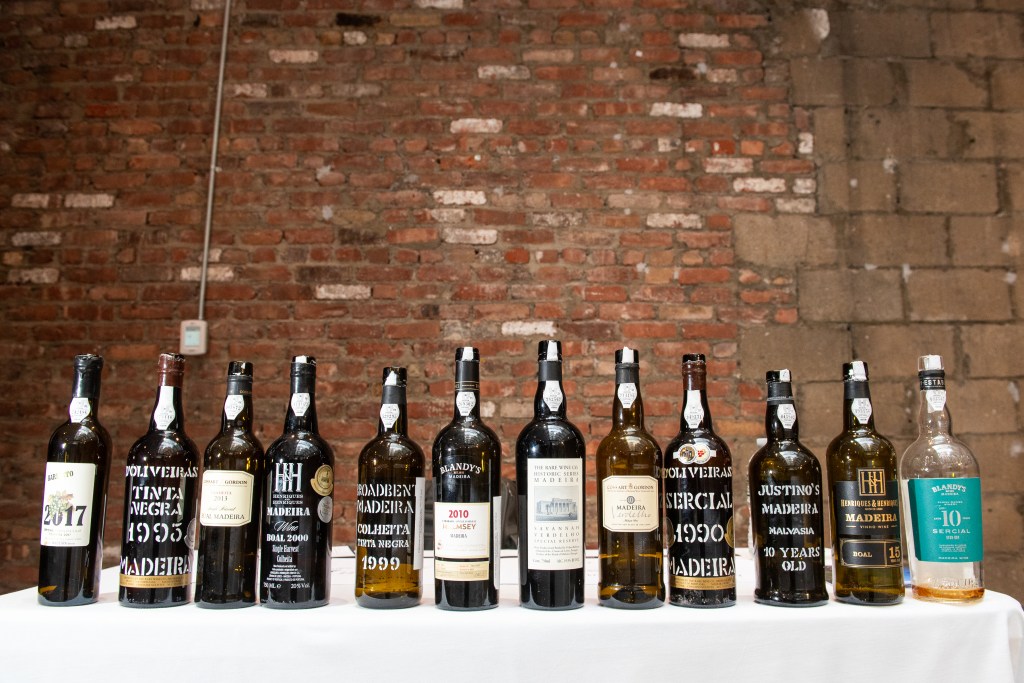
Wine #1: 2017 Barbeito Vinha da Laje Sercial (single cask)
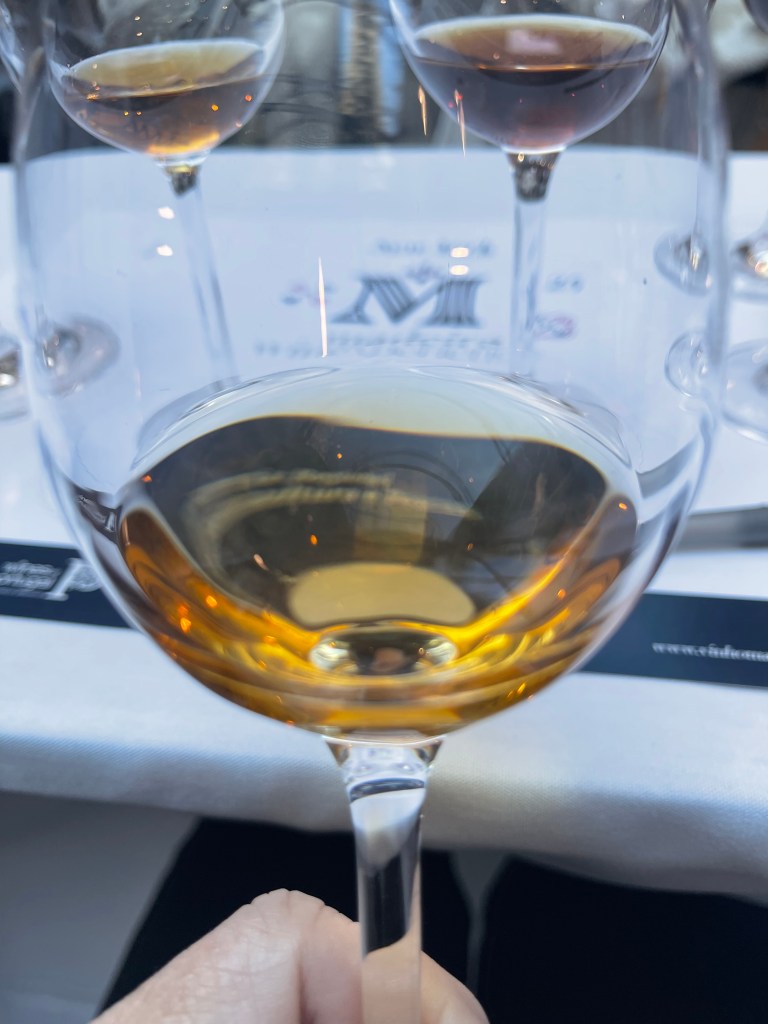
Medium gold color, with intense aromas of caramel, toasted almond, dried orange peel, and chocolate. On the palate, this wine is tangy! It is dry and high in acidity, with flavors of toffee, dried citrus, and almond. There’s also a salty-savory element woven throughout. I dubbed this wine “the freshest” of the flight; it’s a wine you could pair with multiple dishes over the course of an evening.
Wine #2: 1995 D’Oliveiras Tinta Negra
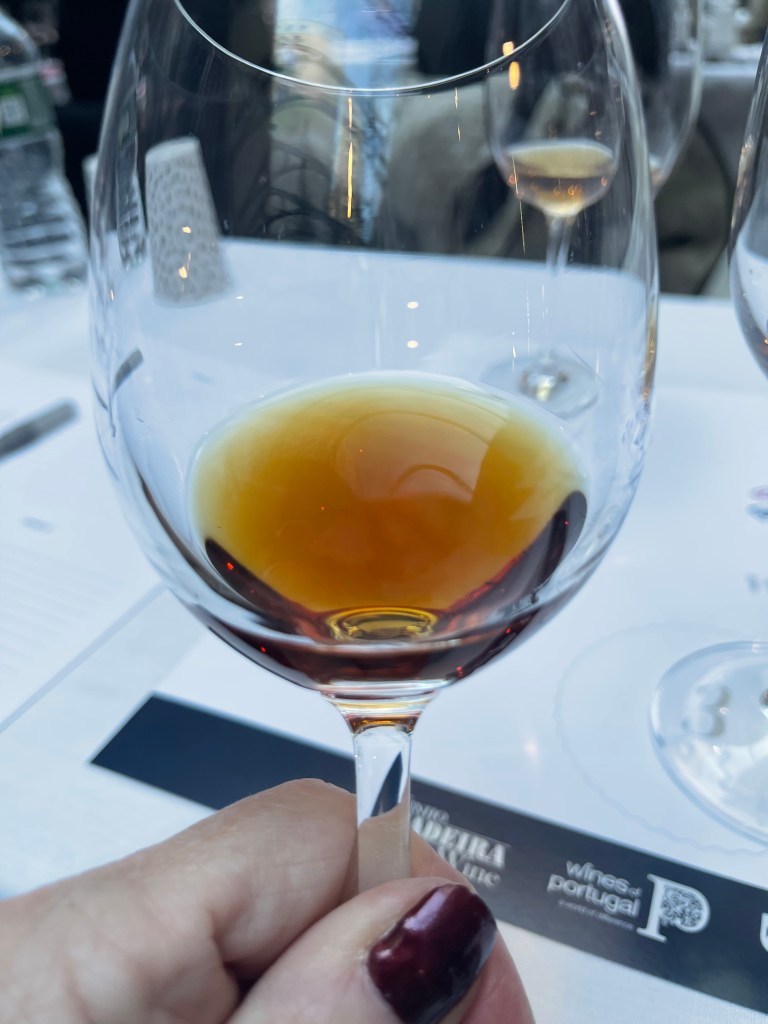
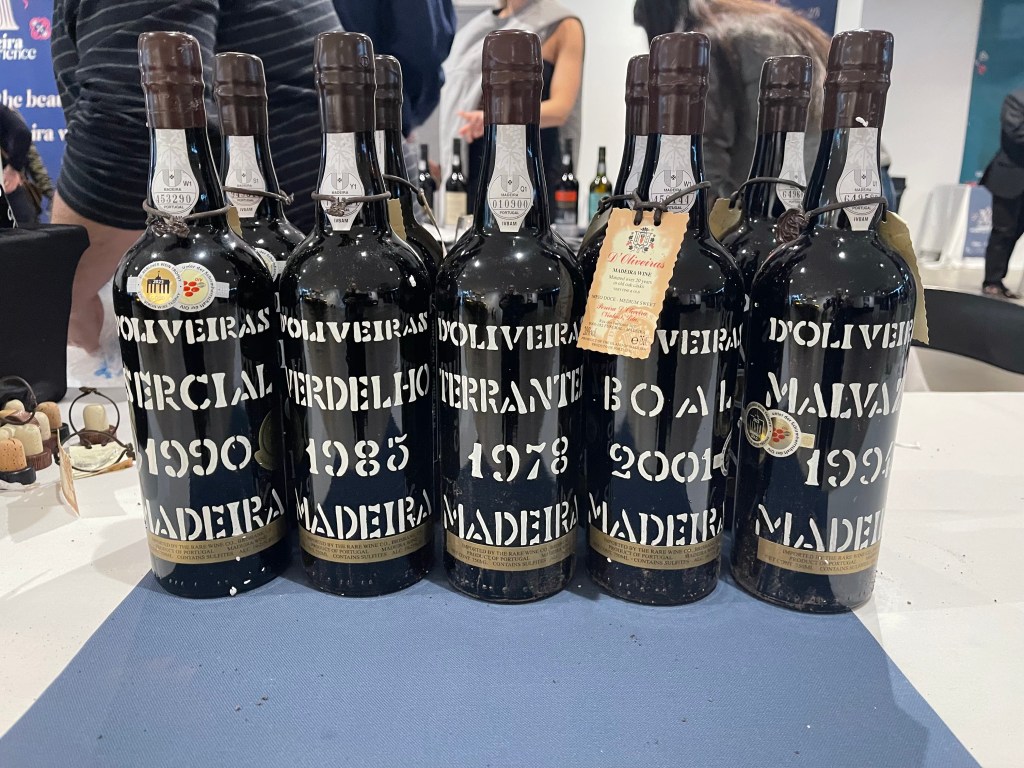
Deeper gold in color compared to the first wine, with aromas of coffee, chocolate, toffee, sassafras, and vanilla. As it opened, there were earthier notes of tree bark and smoke. Very intriguing and complex! The palate echoed the sweetness of the nose, bumped up by flavors of sour cherry and spice. It had some weight to it as well, with a dense, creamy texture showing how lovely an aged Madeira can be. The finish, complex and inviting, was an alchemy of sweet, bitter, and spicy flavors.
Wine #3: 2013 Cossart-Gordon Bual
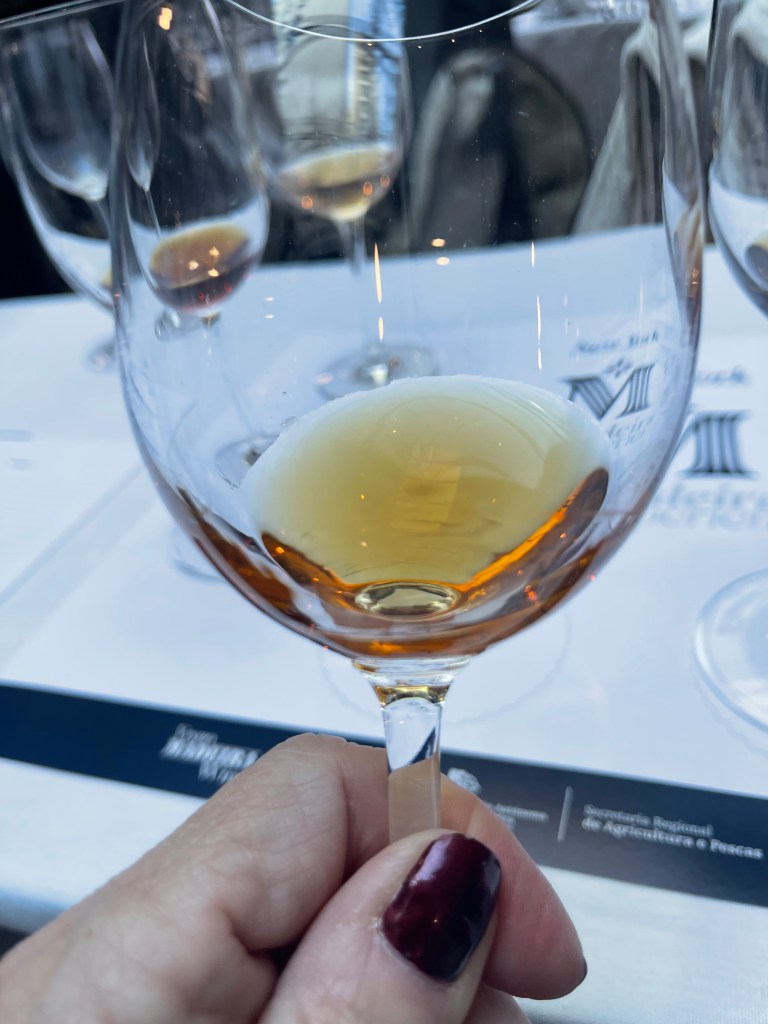
Pale gold/amber in color with a punchy citrus nose (dried orange and lemon peel) with spice box notes (cardamom; coriander). There’s also a savory, yeasty quality to the aromas that conjures brioche (or vintage Champagne.) On the palate it’s more delicate than the nose suggests, with toasty sweet vanilla and woody notes and a bittersweet finish of dried lemon and sage.
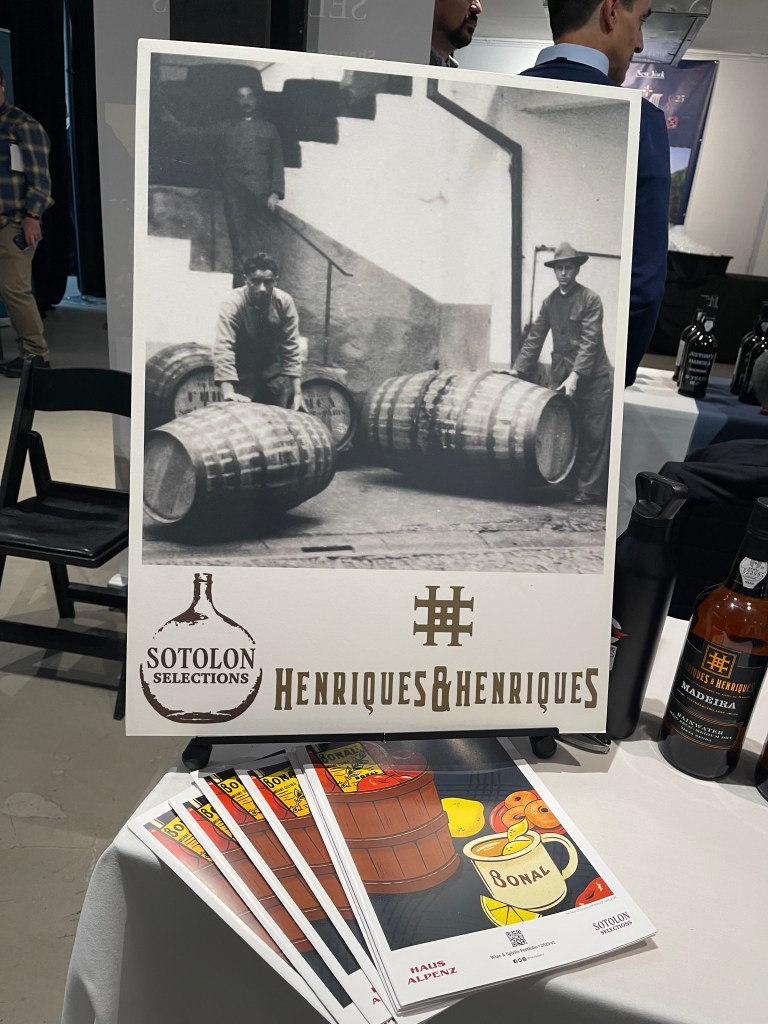
Wine #4: 2000 Henriques & Henriques Single Harvest Boal
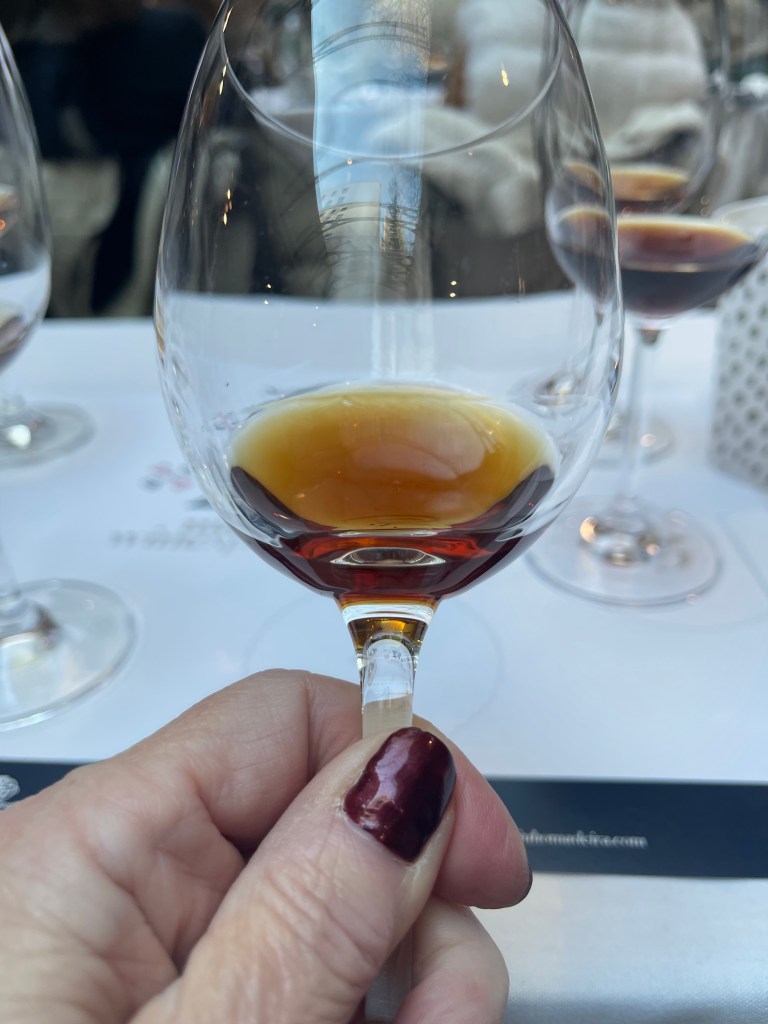
Light caramel in color with enticing aromas of dried, salted almonds and a heap of freshly peeled orange rind. The palate kicks things up a notch, with spicy, peppery notes of fenugreek, cumin seed, and baked pumpkin. Absolutely delicious, this wine would be a stunning addition to the holiday table, working well with just about everything you’re serving.
Wine #5: 1999 Justino’s Broadbent Madeira Colheita
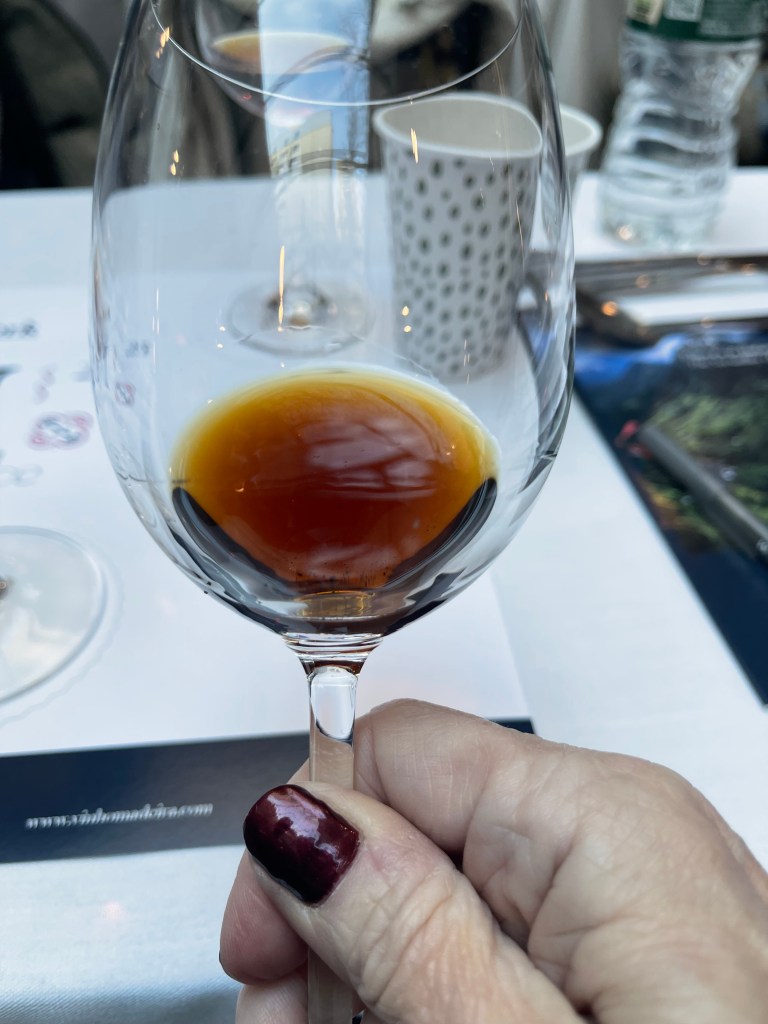
The darkest wine in the flight also had the most enigmatic aromas: green plum, oyster mushrooms, dried citrus peel, and slightly burnt caramel. Later there was a hint of varnish or volatile acidity. This wine called me back multiple times to see how its nose evolved over the course of the session. The palate was similarly charming, full of caramelized pecans, walnuts, and black pepper. And then there was the perfect structural balance: high acid, grippy tannins, and sweet alcohol. This Colheita is hearty and satisfying, perfect for warming your bones after a day in the snow, or for sipping by the fire on Christmas Eve.
Wine #6: 2010 Blandy’s Malmsey Colheita
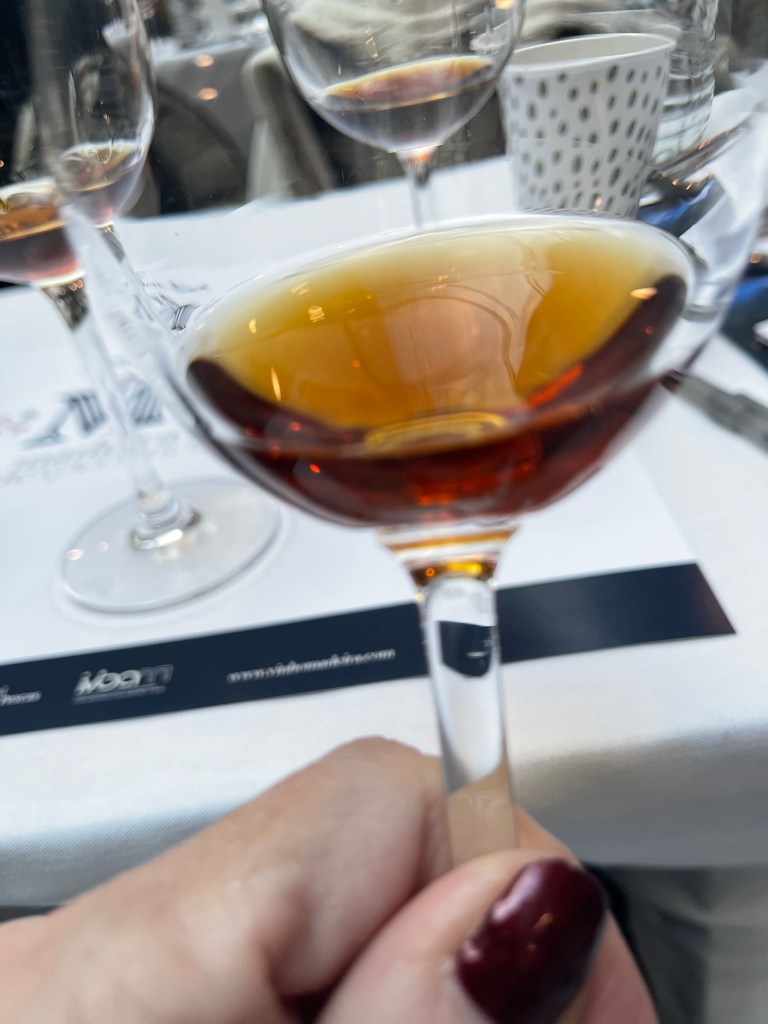
Amber in color with a slightly red tint at the core. The nose is syrupy sweet, redolent of molasses, brown sugar, dried figs, and orange peel. On the palate there are flavors of gingerbread, white pepper, varnish, and preserved lemon. It strikes the perfect balance between sweetness and acidity, tasting less sugary than the nose would indicate. We got to enjoy the best of both worlds with this wine, and boy was it delicious!
Stay Tuned . . .
Part 2 of my report on the Madeira Wine Experience, Flavors in Balance: The Versatility of Madeira Wine, will be published soon. It includes delectable food pairings with six more wines, courtesy of Nuno Sousa, Executive Chef at Leitao, New York’s premier Portuguese restaurant!


I have not sipped a Madeira in some time. Reading through your tasting notes brought me back to just how wonderful they are – waiting for part two!
LikeLiked by 1 person
It’s funny how many of us are in that same, “don’t drink enough Madeira” boat! Welcome aboard! 😂 I plan to hop on the Sercial Bandwagon during the holidays. Do you have a favorite style?
LikeLike
Sercial is at the top of my list, but I won’t turn down tasting others. In fact when we visited Blandy’s, I tasted their Terrantez – they own the only 2 hectares on the island. Apparently it isn’t grown anywhere else. So if you get there, check them out!
LikeLiked by 1 person
Wow! That sounds fabulous. Hoping I get to try it someday. 👍
LikeLiked by 1 person
[…] previous post featured a guided tasting of six Madeira wines from multiple producers. Here we will explore […]
LikeLike
[…] Part 1: Terroir, Tradition, and Elegance […]
LikeLike