I remember my first sip of Moscato d’Asti like it was yesterday:
On a midsummer evening in Washington, DC, there I was, lazing in a lawn chair under a fruit-laden peach tree, waiting for Silvana to come back from the kitchen. As a balmy breeze wafted through the trees, I took a deep breath and relaxed. This was the best part of my week, the two hours every Tuesday when I spoke Italian. Or tried to.
Silvana worked for the U.S. State Department as a language instructor and cultural ambassador, preparing foreign service officers and their families for assignments in Italy. I was interested in upping my Italian language game from academic to conversational, and she agreed to spend two hours every week putting me on the spot!
Our lessons usually began with a small pot of espresso, fortification for both of us after a long day at the office. But tonight was different. When Silvana reappeared, there was no coffee in sight. Instead, there were two delicate crystal glasses filled with peach slices, and a bottle of sparkling wine. She opened the bottle and poured a little in each glass, just covering the peaches.
“From the tree,” she said between bites, pointing to the branches swaying above us.
I don’t remember which Moscato it was, but I’ll never forget how beautiful it tasted: slightly sweet, with a soft bubbly texture, it pirouetted across my palate in a dance of floral-fruity deliciousness. Silvana and I relished the treat for a few minutes, appreciating one of DC’s few, perfect summer evenings when it was not too hot or humid. A vivid and potent sense memory!
I reminisced about that wonderful experience a few weeks ago, during a tasting of the Moscato wines from Cadgal in Piemonte, Italy. While many years have passed since that DC evening, tasting these wines took me right back to that beautiful first sip.
Tasting the Wines of Cadgal
As part of the online seminar, I had the chance to taste several of the Cadgal wines. Four were traditional Moscato d’Asti; the others were more recent additions to the portfolio. Alessandro Varagnolo, owner of the properties that make up Cadgal, walked us through each one, explaining where and how they were made.
2023 Cadgal Lumine Moscato d’Asti DOCG
Varagnolo described this wine as the “energy drink of the grandfathers,” explaining that it was the type of wine the vineyard workers would drink at dawn, before heading to work (even before breakfast!)
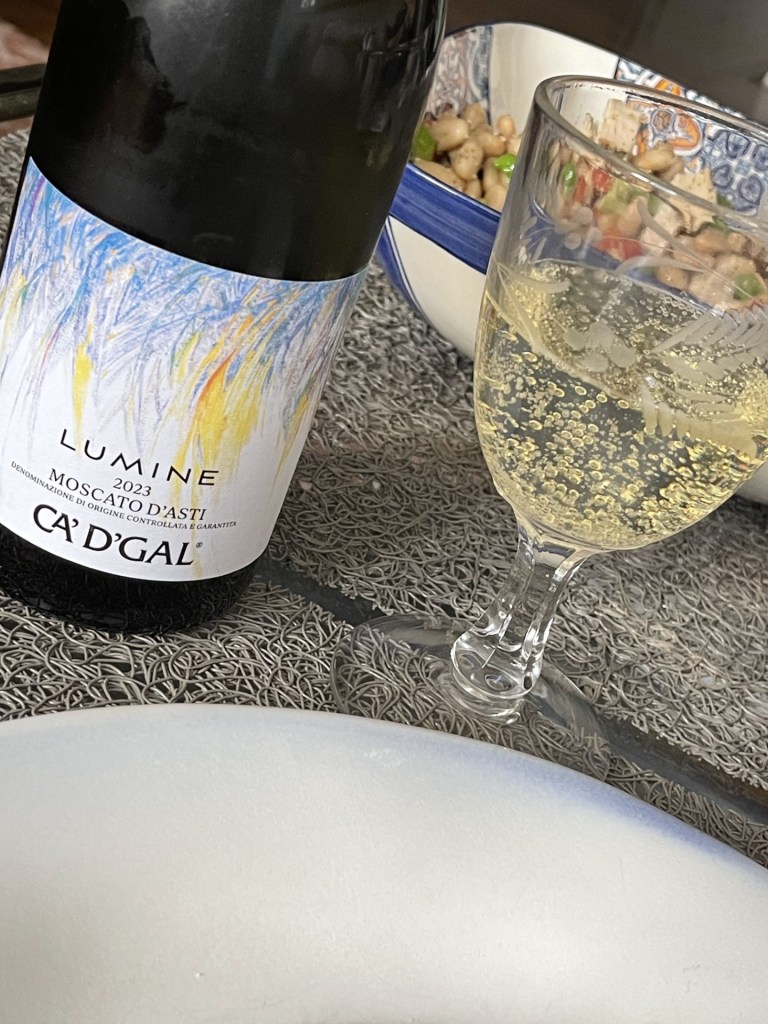
He went on to say that Lumine, which they consider their “entry-level” Moscato, is also their most traditional version, offering just enough sweetness to balance the high acidity and other structural elements. Grapes for Lumine come from vines that are 20-45 years old, planted at 400 meters above sea level with a northern exposure. This allows them extra hang time: indeed, they are not harvested until mid-September.
Once they reach the winery, the grapes are soft-pressed and fermented in stainless steel autoclaves under temperature control. Once the desired level of perlage (bubbles) and an ABV of 5 percent have been achieved, the wine is bottled.
My Tasting Notes and Pairing
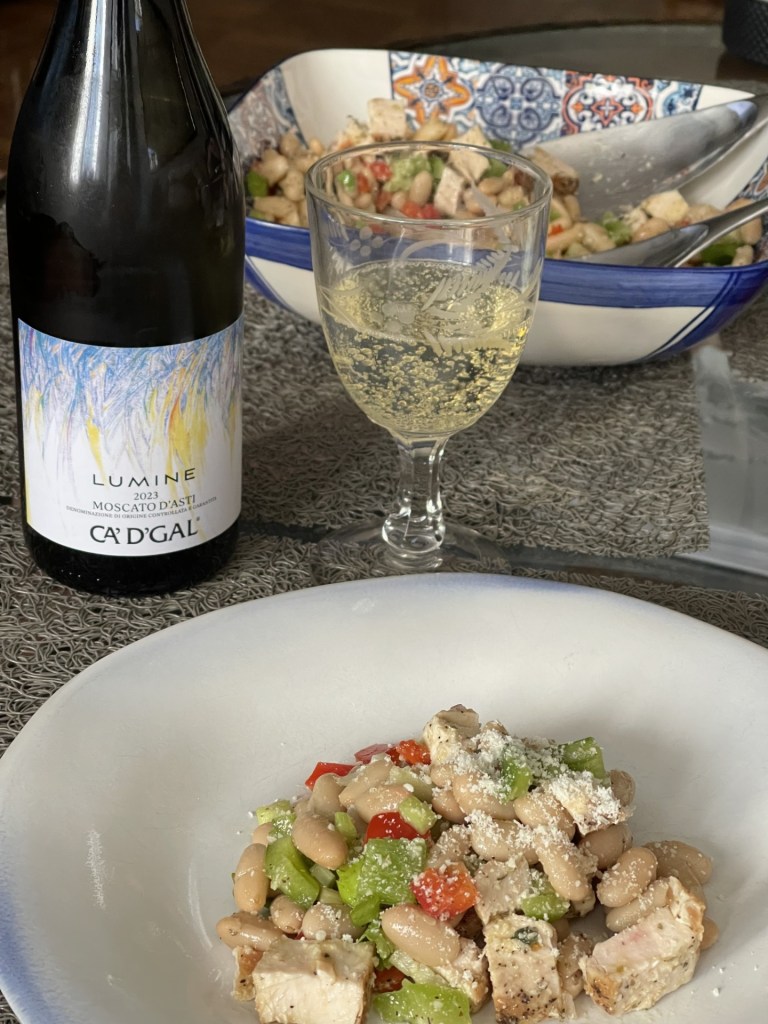
On the nose, there was honey, ripe yellow pear and apple, a hint of white peach, and lemon peel. Fresh rainfall on rocks, orange rind. The palate was bright with flavors of juicy orange, honeydew melon, and fresh thyme. It really hit the spot with my white bean and vegetable salad with grilled chicken. In fact, it came alive with the red wine vinaigrette. This wine was an absolute delight to sip!
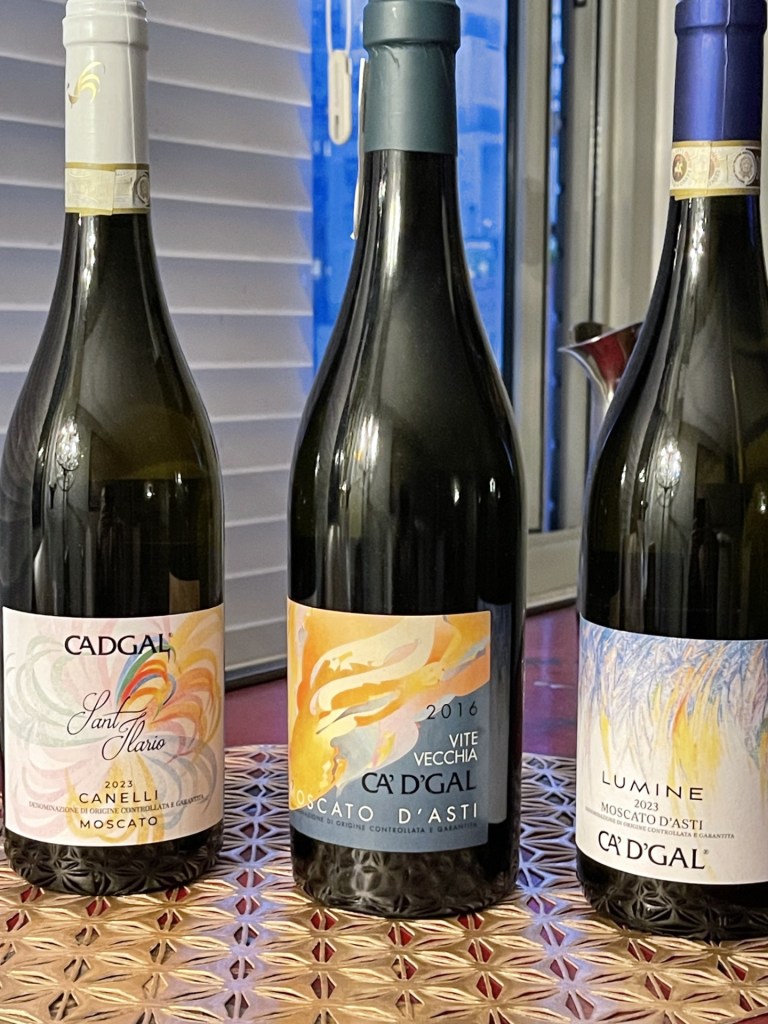
2023 Cadgal Sant’Ilario Moscato d’Asti Canelli DOCG
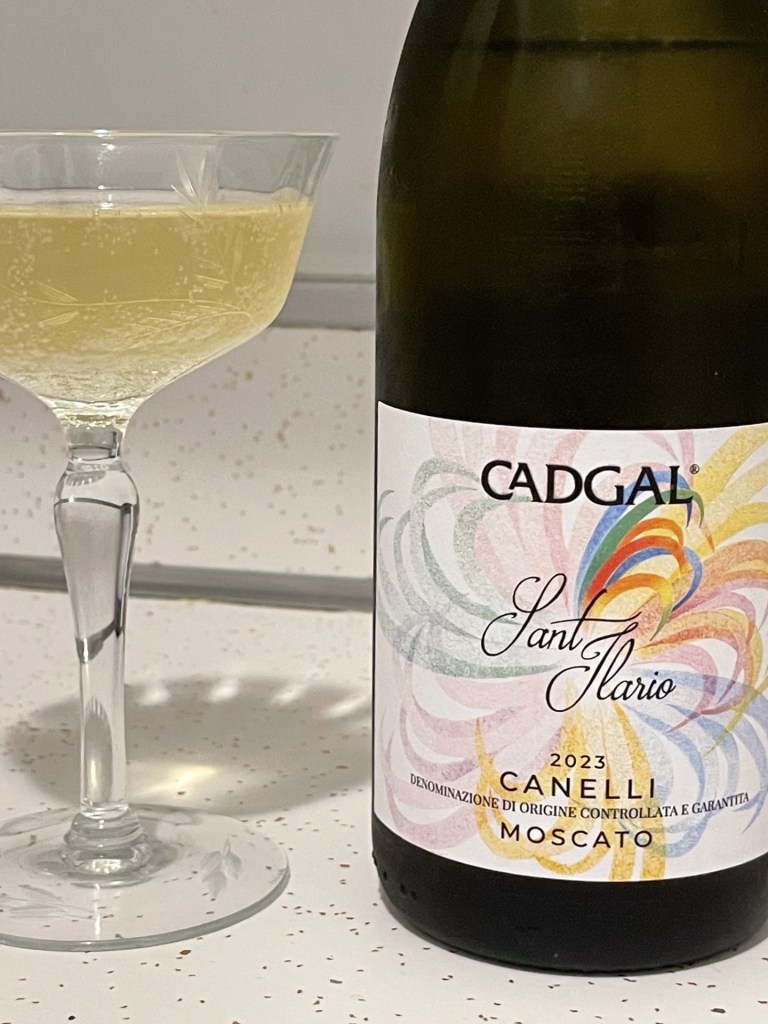
Vines for the Sant’Ilario are 70 years old, rooted in sandy, mineral soils that give a savory/saline character to the wine. As with the Lumine, harvest is late, not beginning until mid-September. The must is treated at very low temperatures, which preserves it so that multiple bottlings may be done. But unlike the Lumine, this wine spends extended time on the lees, resulting in complex aromas and flavors, as well as a richer texture on the palate.
This was the first vintage of Sant’Ilario labeled under the Canelli DOCG, which is a new designation that includes 17 provinces within the Moscato d’Asti region.
Varagnolo explained that this wine has tremendous appeal in Asia, where 7,000 cases of the entire 10,000 case production went to a famous Taiwanese steak house. I think I want to go there!
My Tasting Notes and Pairing
I get aromas of orange (lots of oranges!), black tea, musk, and honeysuckle. On the palate it’s complex, with flavors of peach, apricot, orange rind, and herbs (sage, mint.) The acidity is high and balances the ripe fruit nicely. There is also a lovely creaminess which adds body to the wine. The finish is long, with lovely floral and fruity notes that fade into a salty-mineral finale. Just wonderful!

My simple pairing probably didn’t do the wine justice, but it sure was delicious! The Sant’Ilario was the perfect complement to a grilled pork tenderloin and a platter of fresh roasted asparagus dressed in an orange-honey vinaigrette. I could eat (and drink) this way all summer long.
2016 Cadgal Vite Vecchia Moscato d’Asti DOCG
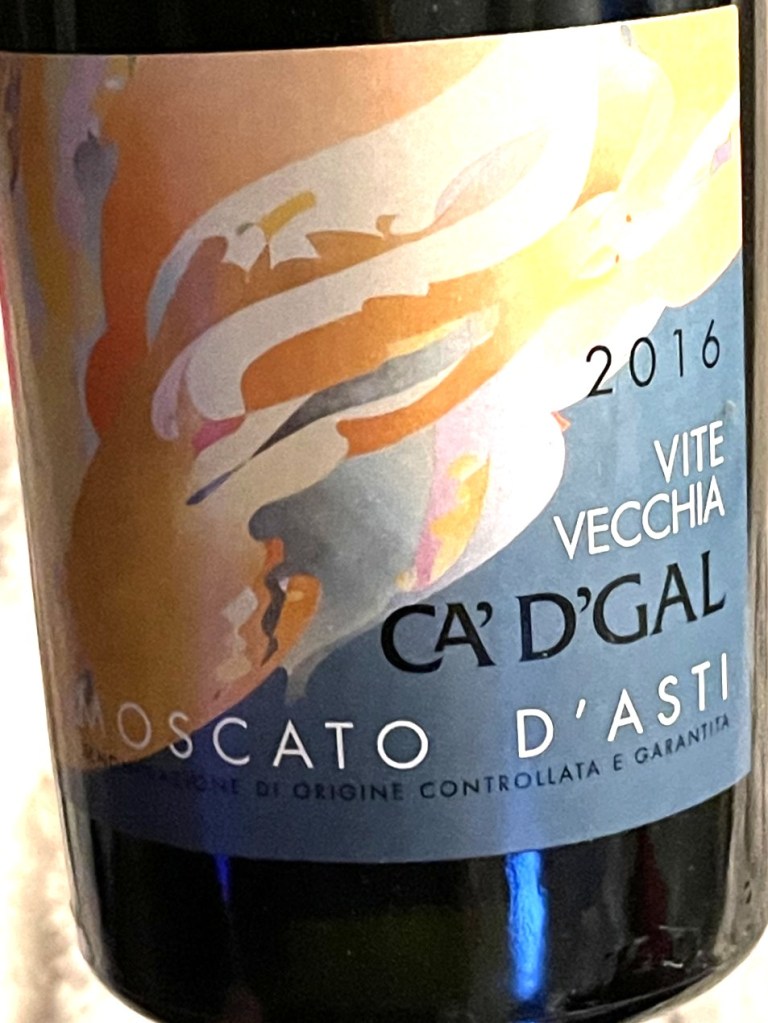
Varagnolo called Vite Vecchia, meaning old vines, the “other face of Moscato.” It is through this wine that Cadgal intends to redefine the identity of Moscato d’Asti, creating an original version worthy of comparison to the renowned sweet white wines of Europe.
Grapes for the Vite Vecchia come from a single parcel of vines at least 70 years old planted on sori, or hillside slopes, at 400 meters above sea level. Soils are a mix of limestone and clay, which impart minerality, body, and freshness to the wines. The cooler temperatures here are balanced by the southern exposure of the vineyards, resulting in fully ripe fruit that retains a high level of acidity.
Harvest (by hand) occurs toward the end of September, when high levels of sugar have accumulated in the grapes (another reason the acidity is critical!). The slightly overripe grapes are soft-pressed in stainless steel autoclaves at 16-18 degrees Celsius, then fermented using native yeast, resting on the fine lees until the optimal perlage and alcohol levels have been achieved.
What makes Vite Vecchia unique is the unusual post-fermentation treatment: bottles are sealed with a temporary closure and then packed in crates filled with sand. The crates are then stored for five years in a grotto, where it is dark and humid, allowing the wine to rest under controlled conditions. Varagnolo explained that this is an ancient tradition used for aging other agricultural products such as salami and cheese, as well. Bottles are washed and closed with a new cork before being packaged for sale.
Cadgal recently commissioned a new label for Vite Vecchia, one that reflects the long history of Moscato d’Asti while highlighting the qualities of this unique wine. According to Varagnolo, the label image represents the aromas and flavors the French artist perceived in tasting the wine. Such a lovely idea!
My Tasting Notes and Pairing
The color is bright lemon yellow. On the nose there are aromas of orange peel, lemon curd, honey, acacia flowers, spice (ginger) and fresh herbs (mint). The palate is vibrant, striking the ideal balance between sweetness and acidity. It has a creamy, weighty texture, with flavors of orange, basil, green fig (which really came out as the wine opened), mint, tarragon, and Mirabelle plum. The perlage is soft but persistent, accentuating the flavors.
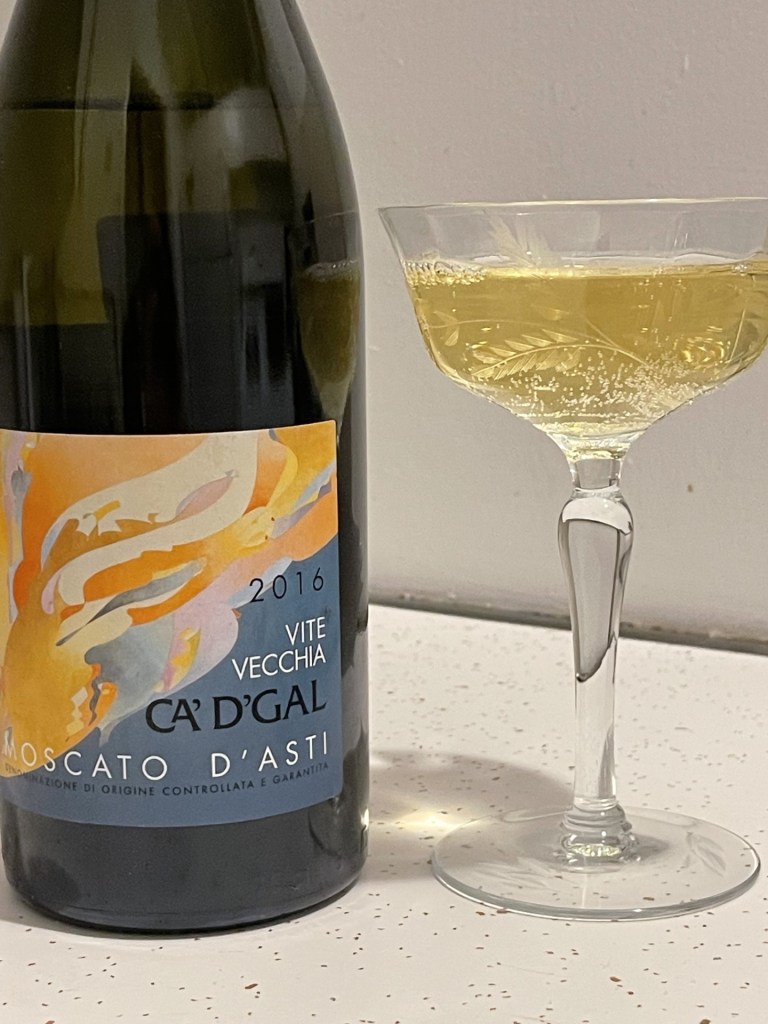
What a delight! The following day, new flavors and aromas continued to emerge: leesy notes on the nose, coconut cream and a heightened richness on the palate. So complex and worthy of contemplation.
My favorite wine of the tasting, the Vite Vecchia is, as Varagnolo described, “a proper golden treat.” The first sip transported me back to that summer evening in Washington, DC, when I first fell in love with Moscato d’Asti!
I didn’t prepare anything to serve with the Vite Vecchia. Instead, I sat with it, enjoying a glass of exquisite, sweet, softly sparkling wine as I wandered down Memory Lane; reflecting on how quickly the years pass, and how important it is to savor the good moments while you’re living them.
Cadgal Varietal Wines
In addition to the Moscato wines, our seminar included three varietal wines:
2023 Cadgal Piemonte DOC Sauvignon
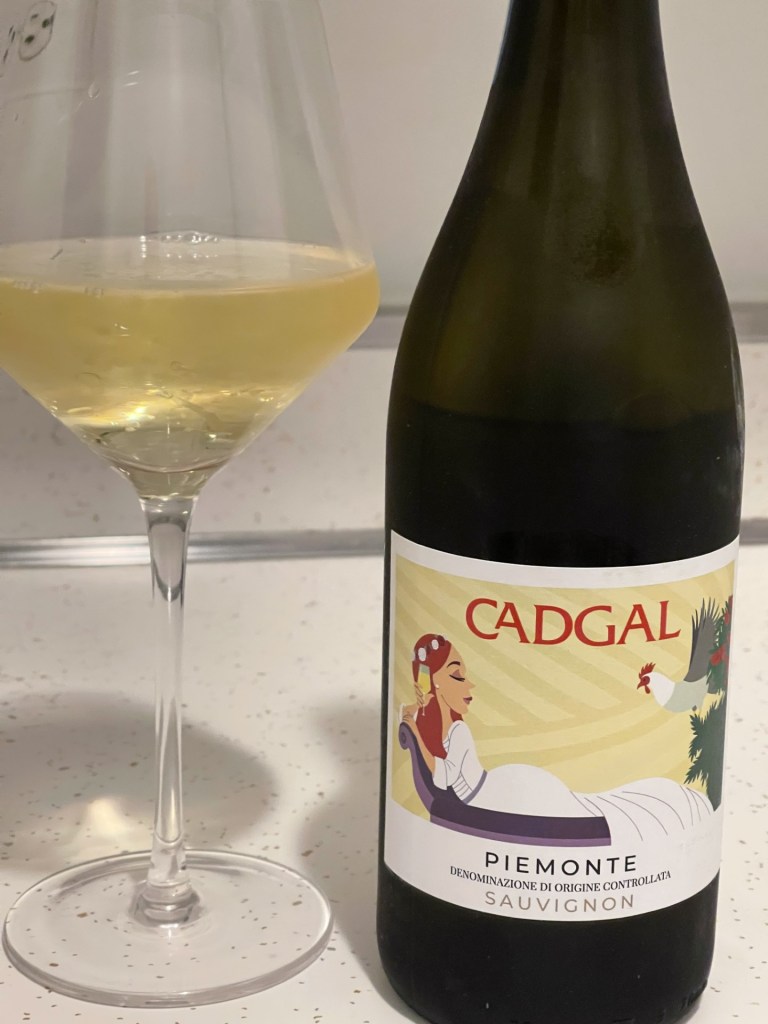
A bit shy on the nose, with notes of fresh rainwater on rocks, dried lemon peel, and hay. On the palate it is savory rather than fruity, with flavors of green herbs (thyme, mint), lime, and fennel. More reserved than new-world versions, for sure, this wine has more in common with the white wines of the Loire Valley. Under Varagnolo’s guidance, this wine is now 100% Sauvignon and remains in batônnage until bottling. Aging is in 100% stainless steel tanks.
2023 Cadgal Piemonte DOC Chardonnay
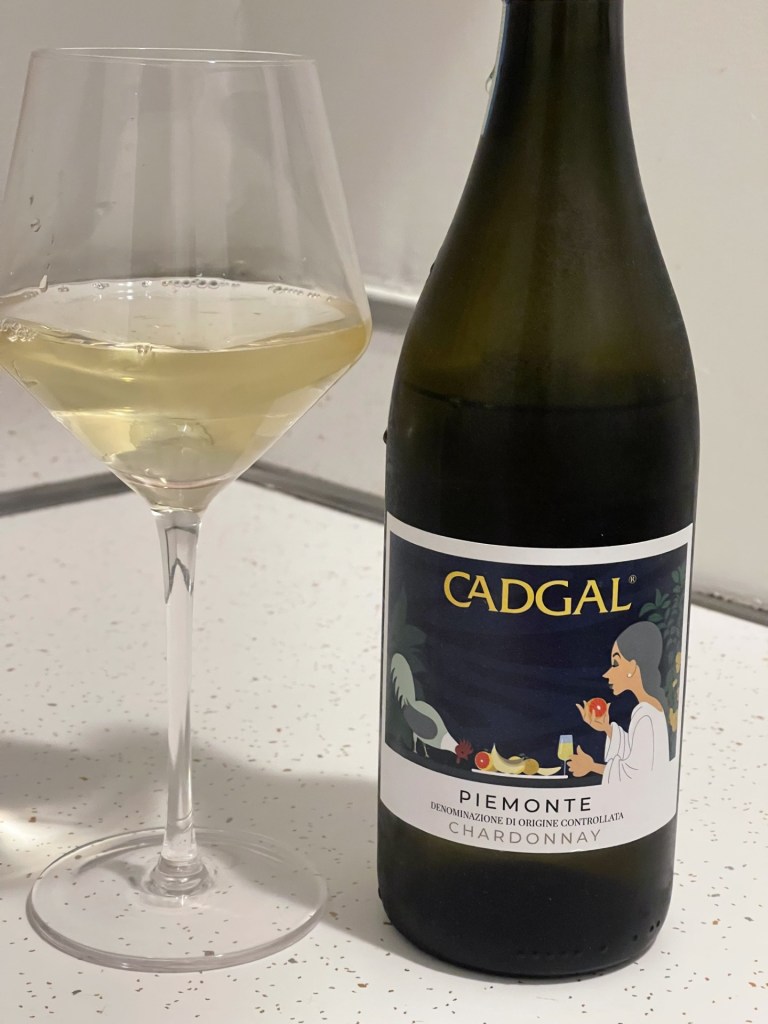
As with the Sauvignon, Cadgal’s Chardonnay is hand-harvested and undergoes a cold maceration before soft pressing. It also experiences extended batônnage. In the glass it is bright lemon in color, with notes of lemon peel, apple, and oatmeal. As it opens there are bananas and passionfruit, even a little fresh cream. The palate is a mélange of citrus and orchard fruit with a sprinkle of fresh herbs. Acidity is high, keeping this wine fresh and light. It would be perfect on a Triple-H day: when it’s hazy, hot, and humid!
2023 Cadgal Mavi Barbera d’Asti DOCG
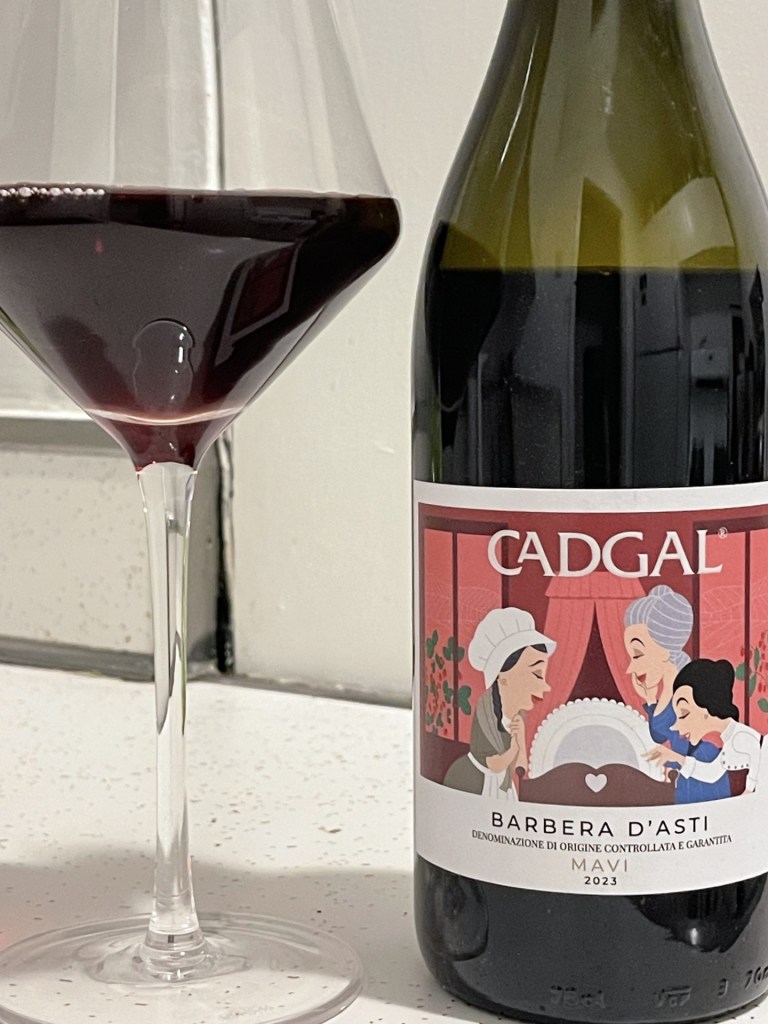
Grapes come from vines 20-25 years old lying atop clay soils in Calamandrana, and were destemmed before crushing, followed by fermentation in stainless steel tanks at 24-28 degrees Celsius. Cap management included submersion for 8 days, with continuous punching down and pumping over until the desired color saturation was achieved. It was bottled the summer after harvest and aged an additional three months before release.
The Mavi Barbera is bright ruby red, with a shy nose of black and red cherry, red currant, strawberry, and a hint of earthy dust (not a bad thing!) On the palate there is a burst of tart, red fruit that’s delightful: berries, cherries, and plums, complemented by moderately high acidity. Tannins are soft and barely there, letting the fruit take center stage.
I love Barbera, and this one did not disappoint. Because of its high acidity and relatively low tannins, this variety makes for great food pairing experiments. I can’t think of any dish it wouldn’t make better!
More About Cadgal
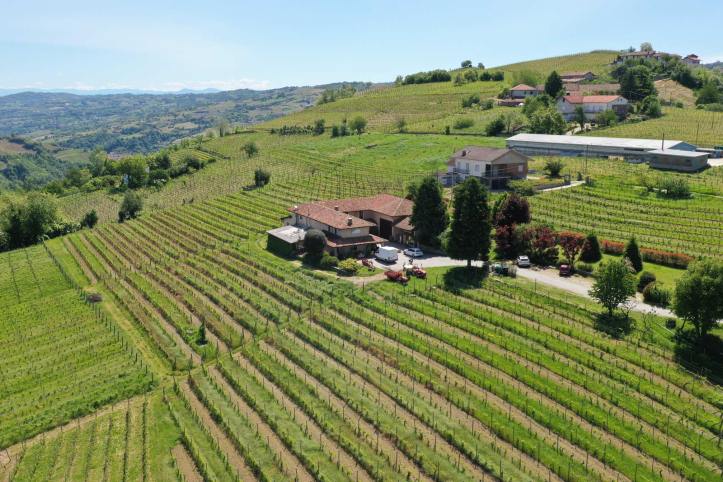
Established in 1989, Cadgal comprises two separate properties: Tenuta Valdivilla in Santo Stefano Belbo in the steep hills of the Langhe region and Tenuta La Cova in Calamandrana, which lies in Monferrato d’Asti, whose sedimentary marine soils date to the Tertiary era. Both regions enjoy a cool continental climate and long growing season, producing wines with ripe fruit character balanced by high acidity.
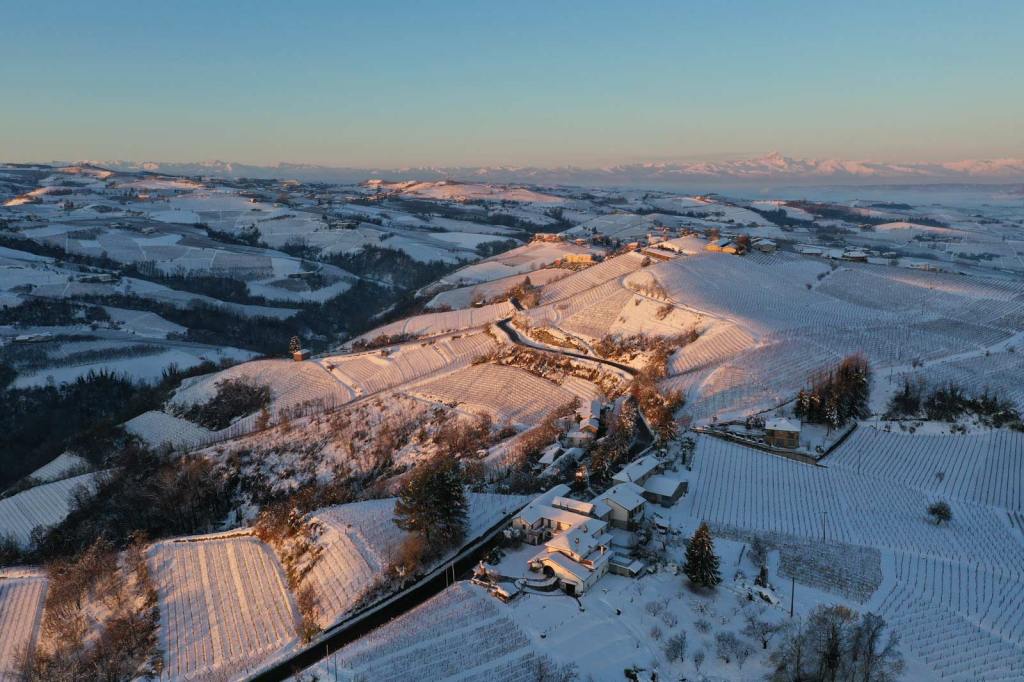
After purchasing the properties in 2023, Varagnolo set forth to combine traditional winemaking methods with a modern approach. One of his first projects was to redesign the corporate logo and label art. Cadgal loosely translates to “home of the rooster” in the regional Piemontese language, so Varagnolo asked a local artist to create an image reflecting that.
The new image represents a “gallo” or rooster “breaking down into a glass and the waves following the toast, evoking an atmosphere of joy and sharing, perfectly integrated in the young and vital mood of Cadgal.” Gallo also happens to be the surname of the original founder!
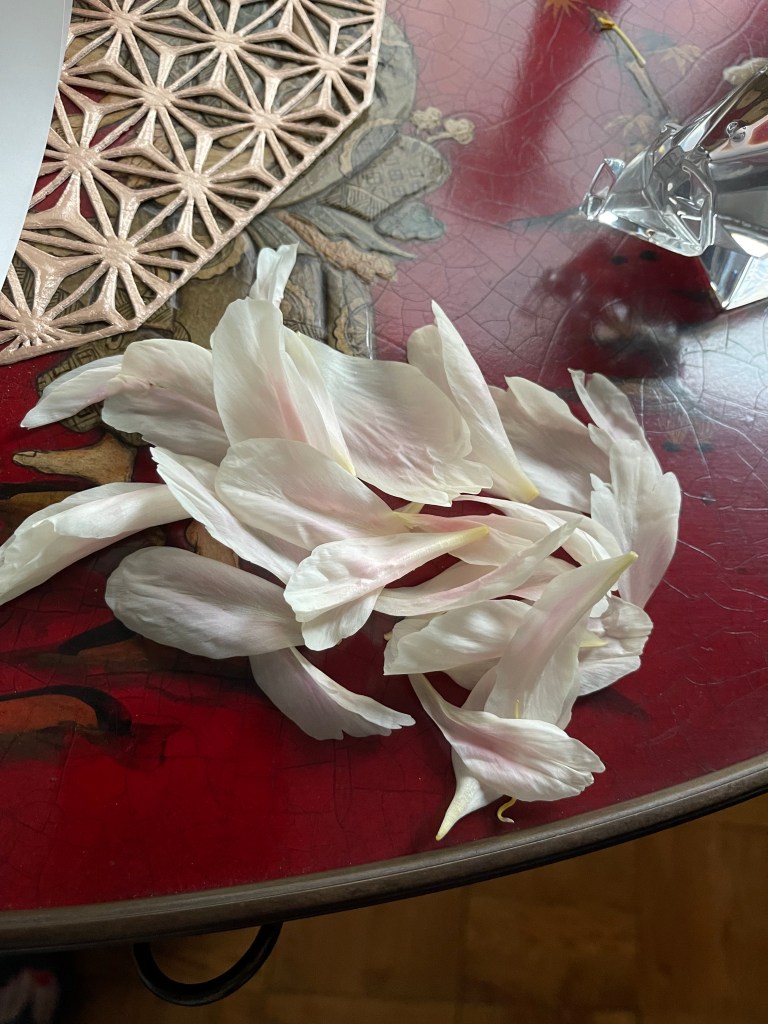
As I studied the labels, I remembered my grandmother’s antique glasses and pulled them out. Their wispy engraved details looked just like the feathery images crafted by the artist! A few minutes later, as I was cleaning up the fallen petals from a bunch of peonies, I made another connection. It reminded me of the beauty of life’s rhythms, how things come and go. To be thankful for the fleeting moments of beauty and joy we experience every day.
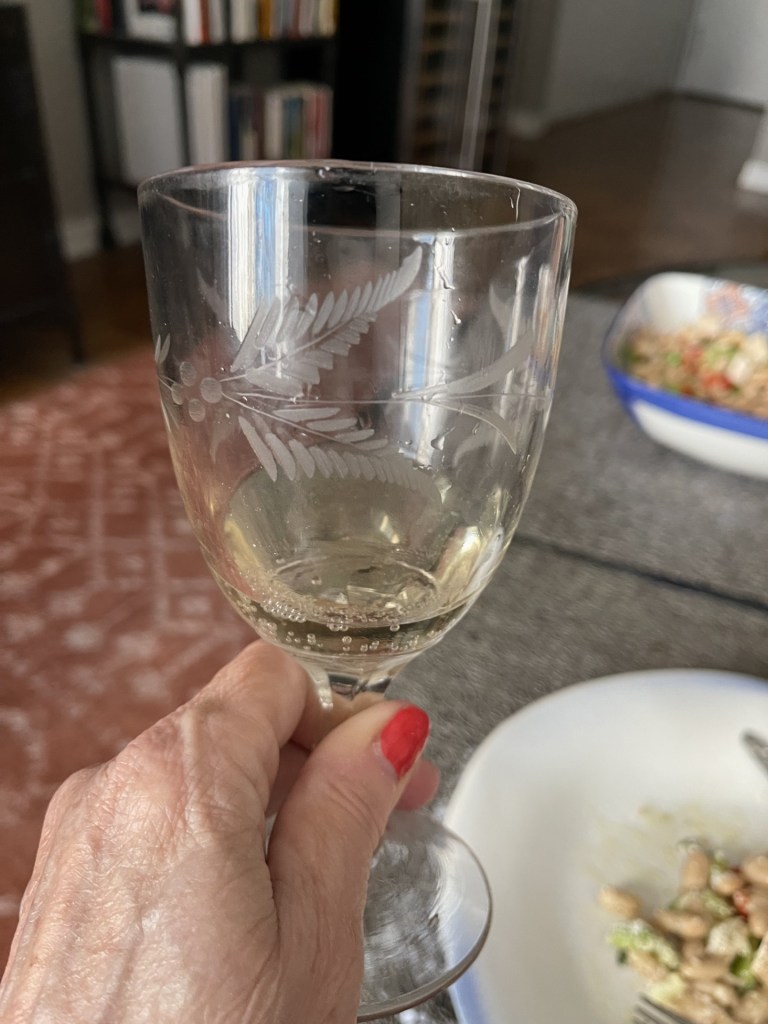
Many thanks to the wonderful people at Cadgal who invited me to sample these wines, learn their history, and preview their future. It truly was a pleasure to meet them.
 The Swirling Dervish
A very good and in depth look at the subject, thanks.
LikeLiked by 2 people
Thank you! I don’t (didn’t) drink a lot of Moscato before this tasting but I look forward to changing that. These three were exceptionally well made – and perfect for summer sipping. Have a great weekend!
LikeLike
Funny I am at sashimi restaurant for lunch and on the wine selection was Mango Moscato. Will pass for a Chardonnay or Sauvignon Blanc. Turns out they were already open and who knows for how many days so going with water 💧
https://californiawinesandwineries.com
LikeLike